

15 Oct 2026
In Aotearoa, arts, culture and creativity sit at the heart of people's lives, communities and wellbeing; our identity and our economy. Our potential is even greater.
But right now, the sector is at a critical point, with systemic pressures on arts investment from all sources – internationally, nationally and regionally. If further capacity is lost, we risk weakening the foundations needed to build it back.
I’ve spoken already about the need to increase investment in all the arts, strengthen cultural infrastructure, expand opportunities for artists, elevate ngā toi Māori and Pacific arts, and improve access to creativity across Aotearoa – and how we’re facing these head on through Tū Mai Rā, Toi Aotearoa, our long-term strategy to 2040 (a link to this is below). Significant change is underway at Creative New Zealand to progress this, and I will share more about our upcoming work, including Tuku Rauemi (regional partnerships) in future pānui.
Now, more than ever before, our focus needs to be on changing opinion and growing understanding of the value of the arts. The way in which we do that is by advocating for a future where arts, culture, creativity and ngā toi Māori are valued and supported by all New Zealanders. Currently, 62 percent of New Zealanders agree or strongly agree that the arts should receive public funding. It’s a number that’s grown steadily over time, and we’re committed to keep growing that number on behalf of the arts across Aotearoa. It's not enough that we know that art, culture and creativity matter. Advocacy is about helping others to see why.
We need more New Zealanders to join us in investing in, supporting and protecting the arts as a power grid of connection and community and, critically, a light in challenging times.
Across the world, artists are encountering growing political pressures and interference that threaten their rights, freedoms, and ability to create. Here in Aotearoa, we recognise the profound impact these challenges can have on ringatoi, arts workers, and the wider arts community.
In this context, I want to take the moment to address directly the matter of Creative New Zealand's stance on the recent protests and political activity at the 2026 Venice Biennale. There have been many questions about our position on various national pavilions, closures, petitions and protests. I deeply appreciate why these issues are important to Aotearoa artists, some of whom are seeking to understand our role at this important international kaupapa.
Like many individuals and organisations, we are concerned with global conflicts and the impact these inevitably have on artists and arts workers’ ability to practice in their chosen fields. However, Creative New Zealand, as a Crown entity, is required under our public service framework to maintain a position of political neutrality, including at events like the Venice Biennale, which is a country-to-country engagement. This is why our employees and representatives have certain obligations while there. Our role is not to make political statements but to ensure that artists can express their views freely.
In no way does this neutrality detract from our mandated role of advocating for artists and their right to freedom of expression. We have a track record of upholding these rights and undertaking this work, both publicly and unseen. As many of you are aware, we have stood firm in the face of heavy criticism regarding our funding of artists and their work, which rightly seeks to break new ground, to criticise and to challenge. We will never resile from this role.
We recognise the Venice Biennale as a space for fostering dialogue and artistic exchange and promoting the role the arts play in reflecting on the issues facing society. We have supported Aotearoa artists to be seen and heard there for 25 years. We have proudly defended them when their work has been attacked.
But neutrality is important. It matters because we need to work with whoever is in government and across all party lines to advance the case for the arts; to support and invest in the arts; to defend artists’ rights, and to ensure the arts are recognised as essential to the lives of all New Zealanders.
It is especially critical during an election year – and as you will all be aware, we are in the official pre-election period that runs from 7 August to 7 November 2026.
What this means for Creative New Zealand is that, for all the reasons above, you won't see us commenting on party policies.
What this means for you is that your voices matter, now more than ever.
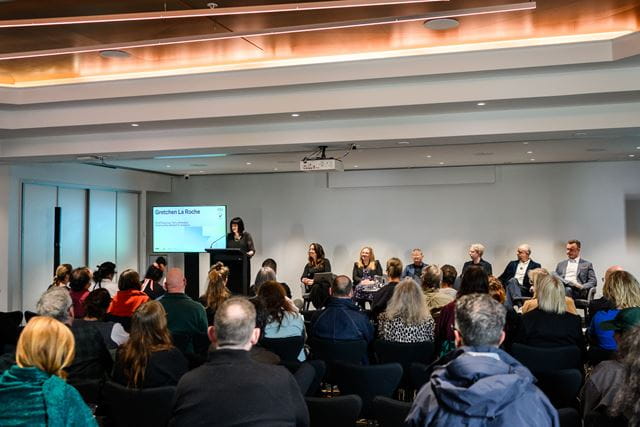
Recently, we co-convened the Election Kōrero: Arts Across Party Lines event, in partnership with the Arts Foundation Te Tumu Toi. The recorded livestream is available to view now, with a link below.
I warmly invite you to check that out so you can hear directly from each party spokesperson present on their vision and policy priorities for the future of arts, culture, creativity, and ngā toi Māori in Aotearoa.
If you're looking to understand which political parties fit with your values and positions on a range of issues, including arts and culture, the On The Fence online policy tool from Massey University Toi Aria is highly useful. Again, a link is below.
Creative New Zealand holds the unique role to champion and shape the future of all the arts, for all of Aotearoa. We understand that we’re uniquely resourced and mandated to do this mahi, and that you’ve told us it is important to you that we actively lead in this space.
We also understand that we’re one part of a complex, interconnected ecosystem – artists, practitioners, creatives, audiences, producers, leaders, governors, investors, businesses, philanthropists – and that advocacy takes many voices and many forms. No single organisation, artist or region can make the case for the arts alone.
Our advocacy and engagement work extends to supporting arts organisations to engage with decision-makers, particularly local government, establishing relationships with councils and sector leaders, championing arts, culture and creativity, and creating resources that support advocacy by the arts community.
We already hold compelling data and powerful stories about the value of the arts. You'll see us sharing much more of this in the time ahead.
The arts and creative sector is already doing heavy lifting for New Zealand. At the moment, it:
- contributes $18.5 billion to the economy, around 4.3 percent of GDP
- is our fourth largest commodity export at $3.6 billion in 2023
- provides exceptional return on investment, with every $1 spent on live performance returning $3.20 in benefits to the wider community.
Our audience is vast: over 4 million New Zealanders are in the market for culture, and the market for arts and ngā toi Māori is global. We reach into every sector of society. We are diverse in every sense. We reflect a broad voter base. The value we place on art, culture and creativity connects us all.
Shifting how this is understood and supported will take time, persistence and partnership, well beyond any single funding round or electoral cycle. We’re committed to this mahi for the long haul, and to standing alongside the sector as we build a stronger, shared case for arts, culture and creativity in Aotearoa.
The arts are not peripheral to the future of Aotearoa. They are central to how we belong, how we grow, how we are seen and heard, and how we tell the story of who we are.
Nāku iti nei, nā
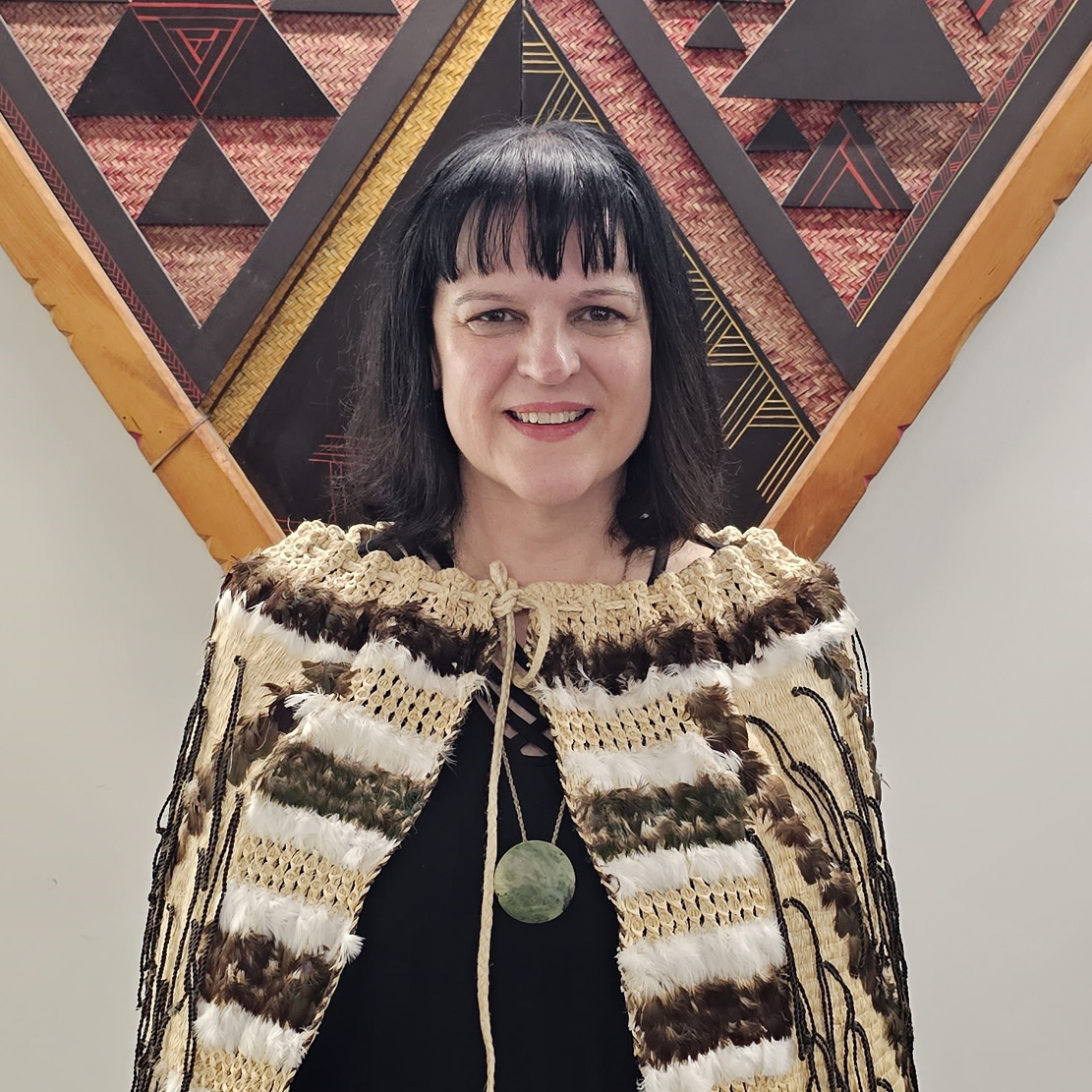
Gretchen La Roche
Tumu Whakarae—Chief Executive
Creative New Zealand Toi Aotearoa
Referenced resources:
- Tū Mai Rā, Toi Aotearoa: Our long-term strategy to 2040
- Election Kōrero: Arts Across Party Lines event livestream recording [youtube]
- On The Fence online policy tool