

12 Oct 2026
Creative New Zealand is investing in Te Taitokerau Tārai Waka to help pass customary waka-building and navigation knowledge to future generations. The kaupapa also speaks directly to this year’s Mental Health Awareness Week theme of belonging: strengthening connections to whakapapa, identity, culture and community.
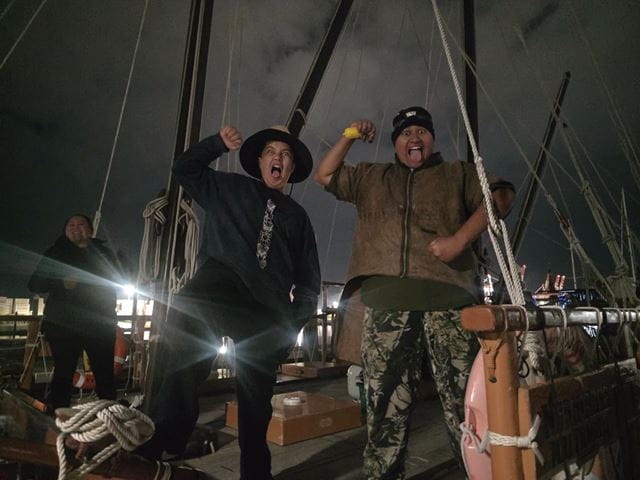
Every month, two 15-year-old boys travel from Te Taitokerau to Tauranga to learn waka navigation. Using the kāpehu, a traditional Māori navigation framework, they are learning to find their way by the stars. After just three wānanga, one has already learnt 25 of the 63 stars in the training.
For the wāhine of Te Taitokerau Tārai Waka, the boys are gaining much more than navigation skills. They are growing in confidence, building relationships and developing the trust to give new things a go.
“Seeing them grow and expand, learn with people that they don't know, and giving them the confidence within themselves … there's just such good things that are going to come from our rangatahi learning and participating,” says Marama Williams.
That sense of belonging is central to customary Māori arts. For these rangatahi, learning waka navigation means connecting with their iwi and culture, understanding their whakapapa and finding their place within the kaupapa.
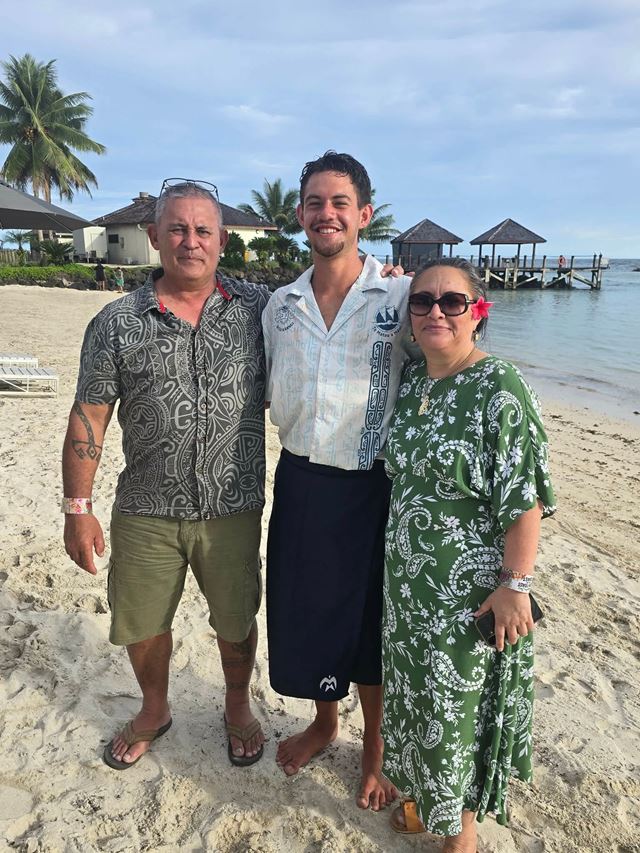
“We are people of the moana. We’re keepers and sharers of the knowledge,” says experienced waka navigator Joyce Conrad.
Te Taitokerau Tārai Waka’s roots reach back to the waka renaissance of the 1980s and 1990s, and to the work of the late Sir Hekenukumai Busby, who helped revive traditional waka building and navigation.
Today, the organisation is restoring Te Aurere, a traditional double-hulled voyaging waka, while training the next generation of sailors and navigators.
Creative New Zealand’s 2027 investment will help Te Taitokerau Tārai Waka build on the Te Hau Kōmaru National Waka Hourua Festival, to be held in Taipā in November 2026. Through the Arts Organisations and Groups Fund, it will support more opportunities for rangatahi and whānau to learn waka building and navigation.
The wāhine also recognise the challenge of balancing the kaupapa with work and whānau commitments. They want to build a future where people caring for the waka and passing on their knowledge are supported.
The boys are part of the fifth generation coming through. Joyce hopes that within five years they will become skippers, and within 10, captains who can train the next crew.
For the two boys learning the stars, this is only the beginning. One day, they could be the ones guiding and teaching the next generation, extending the knowledge, connection and belonging at the heart of the kaupapa.