


19 May 2026
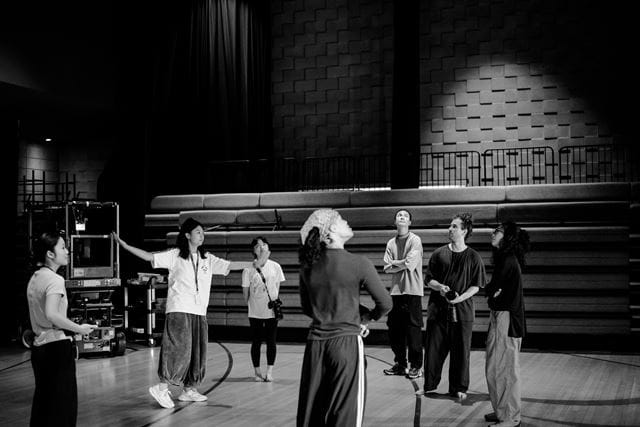
Dance, for Yin-Chi Lee, is both a language and a site of inquiry. As an interdisciplinary artist, her work moves between body, memory and space, shaping experiences that invite audiences not just to watch, but to step inside. Through the Creative Fellowship Fund, her project expanded in scope and ambition, allowing time for mentorship, experimentation, and collaboration.
“Dance and performance allow me to have conversations that words sometimes can’t hold. It’s a way of tracing memory through the body, noticing what lingers, what is carried, and what resists being forgotten,” says Yin-Chi
Her latest work, GUEST (working title), has grown through a deeply collaborative process. What began as an initial proposal centred on movement and migration has since evolved into a layered, immersive work that brings together dance, theatre, installation and interactive media.
Earlier in the development process, Yin-Chi engaged in mentorship sessions and practical development with Ella Becroft, alongside planning sessions with Zoë Ventor. These exchanges focused on expanding her choreographic and directorial literacy in interactive and devised theatre within the context of Aotearoa New Zealand, while also exploring pathways toward sustained collaboration with Red Leap Theatre as an Associate Artist.
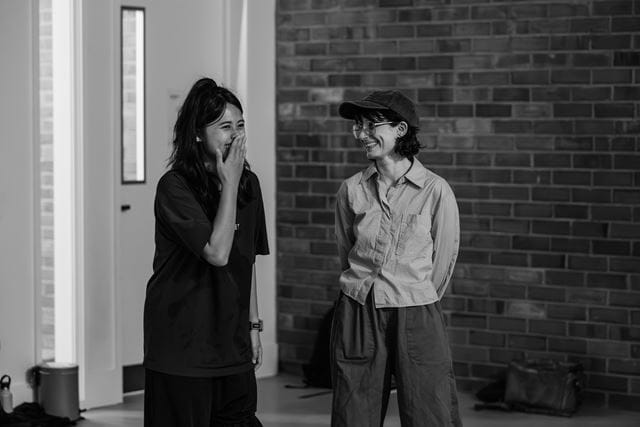
Following this, she undertook strategic career and producing mentorship with Elisabeth Vaneveld, focusing on sustainability, leadership pathways, and professional positioning. Alongside this, research mentorship with Dr. Tia Reihana encouraged deeper reflection on responsibility, positionality, and culturally responsive practice.
Using the concept of the “guest” as a framing device, the work explores migration legacies, power relations, labour, and displacement within colonial, postcolonial, and diasporic contexts. GUEST invites audiences to reflect on how memory is shaped, and the ways’ identity is formed under dominant regimes and in the shadow of war.
A seven-week research and development period in Taiwan further shaped the work, opening up creative exchanges, site-specific and technologically integrated performance approaches, and engagement with wider socio-political contexts. This period, alongside ongoing documentation of the process, has helped build a strong body of material that tracks her project’s development and emerging outcomes.
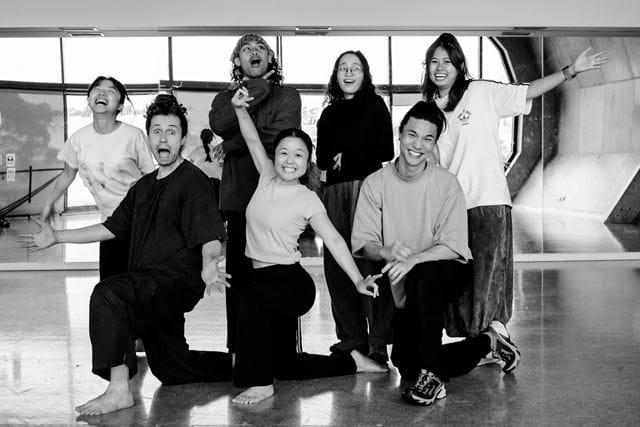
Drawing on the ethnic backgrounds and migration stories shared by the collaborators during a two-week development process, the project extends across research from China, Malaysia, the Philippines, and Taiwan. It centres on how stories of belonging and displacement are remembered, represented, and carried across generations.
Yin-Chi reflects on the concept of being a “guest.”
“There’s always a duality in it. A guest can be welcomed, but also positioned as temporary, someone whose presence is conditional. That tension sits at the heart of the work. I’m interested in what happens when audiences are not just observers, but participants in a shifting environment of memory. Where you enter changes what you see, and what you take with you.”
The work seeks to ask what it means to hold multiple histories, to dance with and against overlapping narratives of displacement and belonging. It positions performance as a space where past and present collide, exploring the tensions of memory, migration, and return.
Through these opportunities, Yin-Chi was able to engage in the full process of developing her work while navigating and learning from performances, exhibitions, site-specific works, and educational contexts in Taiwan. It expanded her choreographic and conceptual thinking as well as enhanced her practice as an artist.
“This period has been extremely valuable, and I am grateful for the opportunity to cultivate both creative insight and a long-term commitment to cross-border collaboration. I’m also excited by the trajectory of my practice as a Tauiwi artist of Taiwanese heritage in Tāmaki Makaurau,” she says.
For more information on our development opportunities for 2026, visit our website