


04 Mar 2026
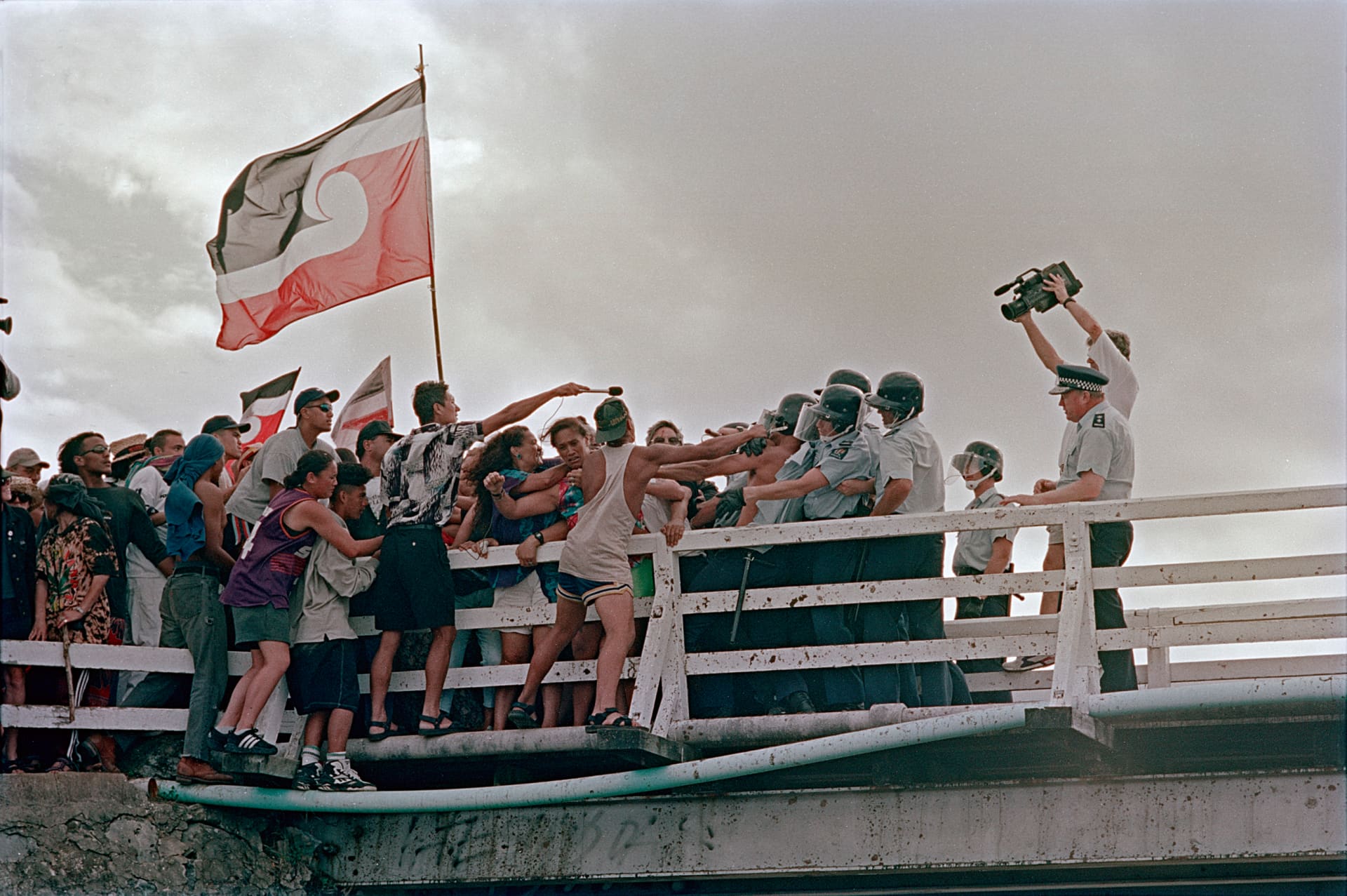
A new podcast series, Pūtātara: Revolutions in Māori Art, is helping bring long-overlooked Māori art histories into public view.
Hosted by Matariki Williams (Ngāi Tūhoe, Ngāti Hauiti, Taranaki, Ngāti Whakaue, Te Ātihaunui a Pāpārangi) and produced by Jamie Tahana (Ngāti Pikiao, Ngāti Makino, Te Arawa), the six-episode series traces how Māori art helped shape Aotearoa New Zealand’s political, social and cultural landscape, beginning with the landmark Ngā Puna Waihanga hui at Te Kaha in 1973.
As a society and culture, the stories we tell and the stories we ignore or overlook all help shape public understanding of art, history and identity. Drawing on extensive archival audio from RNZ and Ngā Taonga Sound and Vision, Pūtātara brings forward stories and voices that have not been widely heard in Aotearoa.
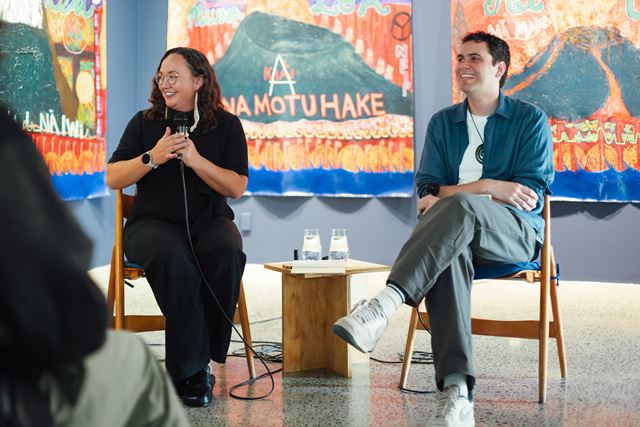
Gabi Lardies from The Big Idea notes that Matariki and Jamie spent around a year researching, listening to archives and tracking down interviewees to ensure these histories were told accurately and with care.
Speaking to Gabi, Matariki says that while working through archival material they found that audio of some major figures in Māori art either did not exist or was inaccessible due to prohibitive licensing costs.
“That inaccessibility felt really ironic in terms of what we were aiming to do, which is shed light on, and share the voice of some of these major figures…whom have had less exposure in terms of the canon and in terms of the way this history has been written about.”
RNZ’s Māori Commissioner Jana Te Nahu Owen says Pūtātara: Revolutions in Māori Art is a fascinating overview of contemporary Māori art.
“This is really a must-listen podcast for those interested in looking into toi Māori since the 1970s through to today. It’s a look forward as well as a look back – ka mua, ka muri – showing us that even as the times change, the wairua and the resistance stays in the art.”
Pūtātara are conch or triton shell trumpets traditionally used for signalling, and the name of the podcast itself functions as a call to attention. The series is one of three podcasts supported through a 2024 Creative New Zealand, NZ On Air and RNZ one-off co-fund, developed to help strengthen arts and culture media in Aotearoa. Pūtātara sits alongside Tukua, which explores intergenerational responses to arts and cultural events through a Māori lens, and Orators Anonymous, a Māori and Pasifika queer coded podcast covering pop culture and indigenous knowledge.
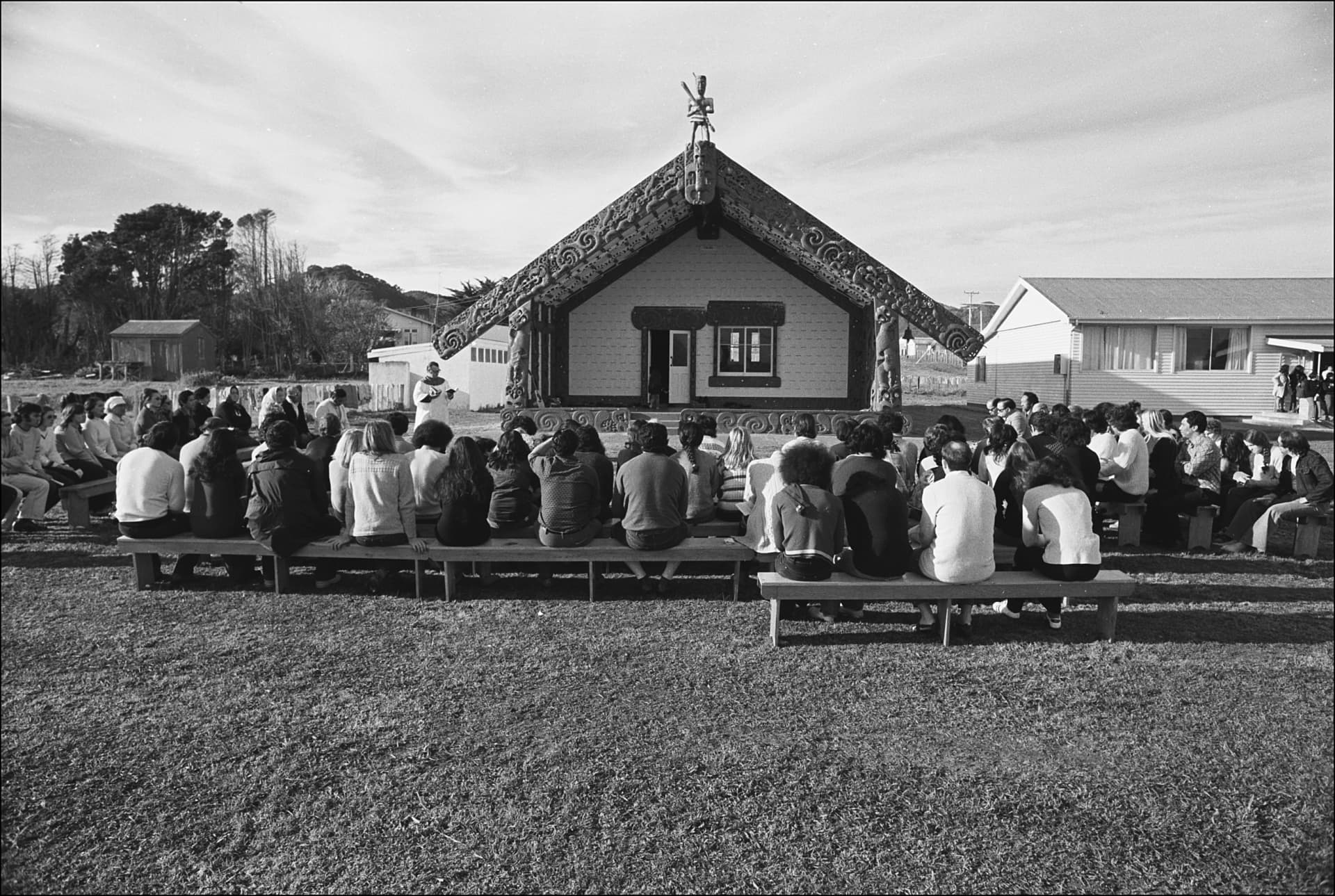
The podcast had launch events at Te Papa on 18 February in Pōneke and at Artspace in Tāmaki Makaurau on 19 February. At both events, audiences heard directly from the creators about their kaupapa and research approach. To support awareness of the series, RNZ produced a set of six postcards featuring images by photographer John Miller that highlight key moments in the history of Māori art covered in each episode. The postcards were distributed at the launches and to art galleries around the motu.
Creative New Zealand Advocacy Manager, Tracey Monastra, says the series speaks to the power of arts storytelling. “We hope Pūtātara will be a call to attention to histories that deserve reflection, consideration and celebration, and a call to action to the kinds of art and cultural stories and kōrero we collectively want more of.”
Writing for The Spinoff, Liam Rātana describes the series as revealing how Māori art did not just reflect the Māori renaissance but helped drive it. The podcast draws listeners into the political atmosphere of the 1970s through archival recordings of figures such as Hone Tuwhare, Robert Muldoon and Whina Cooper.
In 2023, the Visibility Matters report gave Creative New Zealand benchmark data showing that arts and culture accounted for just 3.25 percent of traditional media coverage, and only one-tenth of that was coverage of ngā toi Māori. To understand why this gap exists and what could be done about it, Creative New Zealand commissioned researchers Rosabel Tan and James Wenley, guided by an advisor rōpū, to deliver the New Mirrors research. They spoke with more than 50 journalists, editors, artists, producers and publicists and identified an alarming deficit in arts media coverage.
All episodes of Pūtātara: Revolutions in Māori Art will be made available on the RNZ website. Episodes 1 and 2 are out now. You can also listen to the Tukua podcast and Orators Anonymous podcast.
Further links
CATEGORIES: Advocacy Latest news and blog